New designs weekly
 Premium fabrics
 Secure checkout
 14-day returns
A dakimakura collection becomes harder to manage when several covers share a character name, you keep more than one size, or an old order no longer looks like the current product page. A simple collection record helps you answer practical questions: which cover is this, which inner pillow fits it, and do I already own the design I am about to buy?
You do not need a special app. A spreadsheet, a notes document, or a paper card can work. The useful part is recording the exact product and your chosen options rather than relying on memory. This guide explains how to create a dakimakura collection tracker that remains useful after the excitement of a new purchase has passed.
Start with one record per physical cover
Give each cover its own row, even if two covers show the same character. Your personal record should describe what you actually own. A product listing identifies a design, while the size and fabric selections describe the configuration you ordered. Combining those details into one vague entry such as “blue anime pillow” makes future comparisons unnecessarily difficult.
If you own two copies of the same design, add a simple personal identifier, such as A and B. That lets you record different storage locations or inspection notes without confusing the copies. Keep the original product code separate from that personal identifier; inventing a replacement code can make it harder to find the source listing later.
The fields that make a collection tracker useful
Start small enough that you will actually maintain the record. These fields cover identification, compatibility, and everyday handling without turning a hobby into an administration project.
- Character and series: a readable label for browsing your own collection.
- Product code and URL: the reference for the exact listing.
- Ordered size: both dimensions, including the unit.
- Selected material: the wording on your order, not a guess from the photograph.
- Matching inner pillow: your own label for the insert that fits.
- Location and state: in use, clean and stored, awaiting cleaning, or awaiting inspection.
- Order reference: enough information to locate your purchase confirmation.
Add an optional notes field for a seam you want to recheck or a care instruction supplied with the item. Avoid filling that space with copied marketing paragraphs. Short observations such as “stored in bedroom drawer, second pouch” are more useful when you are looking for a particular cover.
Use product codes to distinguish similar names
Character titles are useful for searching, but a title alone does not identify every detail of a purchase. Several listings can share a character name. Save the product URL when you order, and copy the code exactly, including letters and any suffix. A screenshot can support the record, but it should not replace the searchable text.
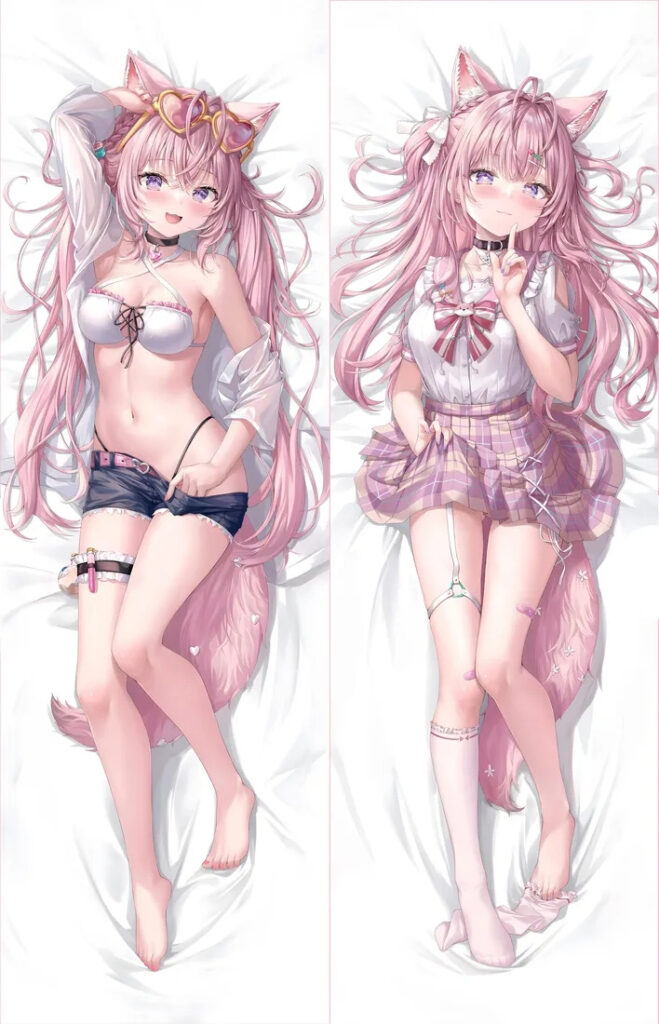
For example, the Xia He cover listed as MNTB16058 gives you a compact reference alongside the longer Hitori No Shita: The Outcast title. Recording both makes the entry easy to recognize and easy to retrieve. The reference identifies this listing; it is not a substitute for recording the material and size you chose.

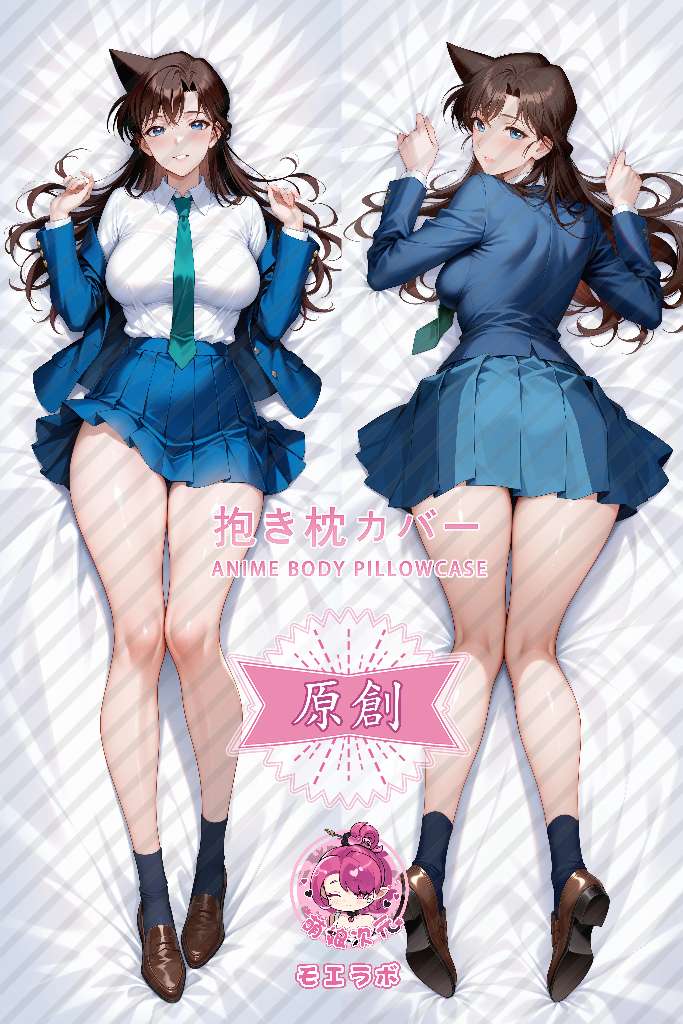
A second example is the Ran Mouri cover with product code MNTB16049. A note reading only “Detective Conan cover” would lose the distinction between this design and another cover from the same series. The full code remains useful even when you shorten the display name in your tracker.
Record your selections, not every available option
A live product page can offer several configurations. Your collection entry should contain the one you ordered. Writing every size offered by the store into the size cell does not tell you which cover is in your drawer. Check the order confirmation first, then compare it with any label or documentation supplied with the item.
Keep length and width together. If you need help interpreting the measurements, use the cover and inner-pillow size guide before assigning a matching insert. Do not mark two items as compatible merely because their widths match. If the dimensions are uncertain, leave the pairing unresolved until you can verify them.
Use the same approach for fabric. Record the selected option exactly, then consult the dakimakura material comparison when considering another purchase. A product photograph does not confirm the fabric of the physical cover you received, and a shared character design does not mean every copy in your collection has the same material.
Separate your owned collection from your wishlist
Keep possible purchases in a separate section. Otherwise, a saved link can easily look like an item you already own. A wishlist entry only needs a code, a URL, and a short reason for considering it. Move it into the owned collection after the purchase, adding the actual configuration and order reference.
Before browsing the dakimakura cover collection, search your records for the character or code you have in mind. If you already own it, decide whether a second copy has a clear purpose. This is particularly helpful when you are building a rotation: the question is not just whether you like the artwork, but whether another cover adds something you will use.
The guide to planning how many covers you need can help with that decision. Your tracker provides the missing practical context: how many clean covers are ready, which sizes you use, and which items have remained stored for a long time.
Update the record at natural handover points
The easiest maintenance routine follows actions you already take. Add a record after checking a delivery. Change its location when you put it away. Update its state when you remove it for cleaning, then mark it ready only after it is completely dry and has been checked. These small updates prevent an attractive but outdated list from becoming misleading.
Label the storage pouch or shelf position rather than writing directly on the fabric. Use a short identifier that matches your record. For practical handling advice, see the guide to storing covers and limiting creases. A tracking system should help you retrieve an item without repeatedly unfolding the whole collection.
Frequently asked questions
Do I need a paid collection app?
No. A simple note or spreadsheet is enough if you can search it and keep a backup. Choose the format you will update consistently. The fields matter more than the software.
Should I save a product image?
An artwork reference can help you recognize a cover, especially when titles are similar. Keep it alongside the code and original URL. Do not rely on the image to establish size, material, or what your order included.
What if I cannot find an old product page?
Use your order confirmation and any information supplied with the cover. Record unknown details as unknown rather than matching the item to a similar-looking listing. An old order reference can help when asking the store for clarification.
Should cleaning dates determine when I wash a cover?
A date is a useful record, not a universal washing schedule. Consider the item’s condition, how it has been used, and its care instructions. Keep “last cleaned” separate from “ready to use” so a drying cover is not mistaken for a stored one.
Make your first three entries today
Start with the cover currently in use and two stored favorites. Record their codes, selected sizes, materials, and locations. Once those entries help you find an item or avoid an unnecessary duplicate, extend the same simple system to the rest of your collection.